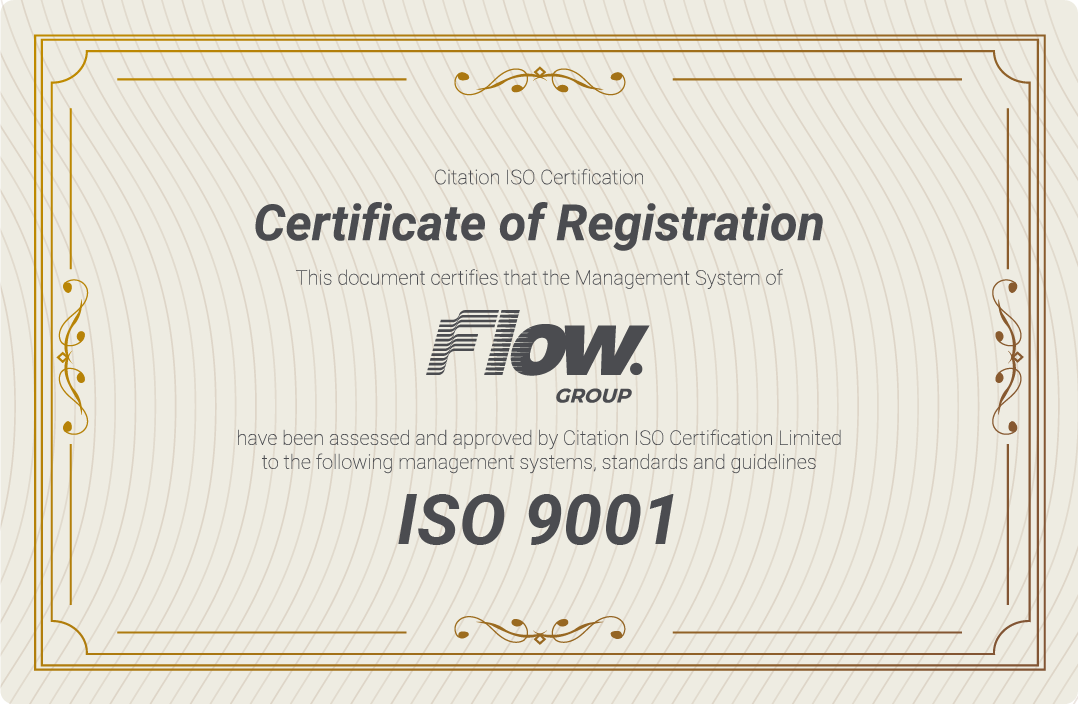
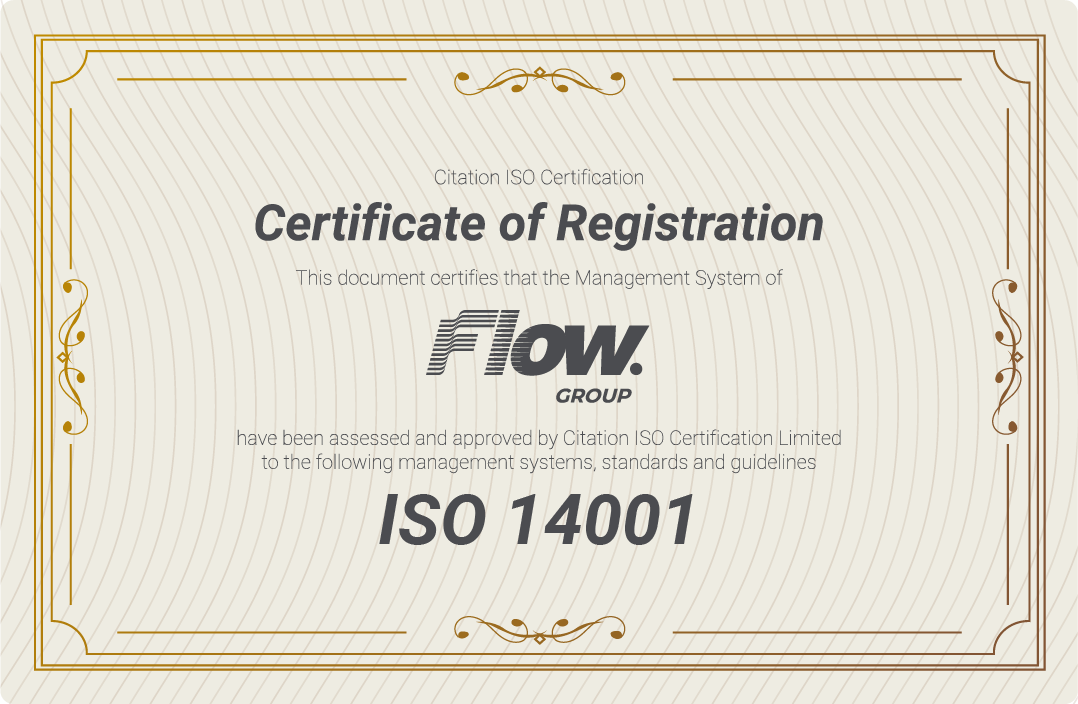
ISO 27001:2015 is the International Standard for Security Management Systems (ISMS).
In an era where data is a business’s most valuable asset, how that data is handled matters more than ever.
At The Flow Group, we don't just move your mail and manage your stock; we safeguard your information.
Our ISO 27001 certification is your guarantee that we treat your data with the highest level of vigilance and care.
For us, this means we have implemented a comprehensive, company-wide framework to manage risks related to data security.
It covers everything from cyber-security and digital encryption to physical security in our warehouses and the way our staff are trained.
It ensures that three core principles are applied to every piece of data you trust us with:
Confidentiality
Only authorised people can access your information.
Integrity
Your data remains accurate and protected from unauthorised changes.

Availability
Your data and our services are ready and resilient when you need them.
Your Data Subjects
Whether they are your customers or employees, their personal information is protected by world-class security controls.

Your Compliance Team
We make their lives easier by providing a pre-vetted, secure link in your supply chain.
Our Business
It keeps us resilient, ensuring that cyber-threats or data loss never disrupt ourability to deliver for you.

In a world of increasing cyber-threats and strict regulations like UK GDPR, your choice of partner can be your greatest risk or your strongest defence.
UK GDPR Peace of Mind
ISO27001 aligns perfectly with UK GDPR requirements. By working with us, you can demonstrate to regulators and stakeholders that you are using a "Processor" that meets the highest security standards.

Responsible Waste Management
A data breach in the supply chain can be devastating to your reputation. We act as a firewall, using 93 specific security controls to mitigate risk before it ever reaches you.

Business Continuity
This certification requires us to have robust disaster recovery plans. If the unexpected happens, we have the systems in place to keep your campaigns moving and your business flowing without interruption.

Because we are ISO 27001 certified, these security features are "baked in" to our service at no extra cost to you:
Secure Data Handling
All data transfers are encrypted and managed through secure, audited pathways.

Vetted Personnel
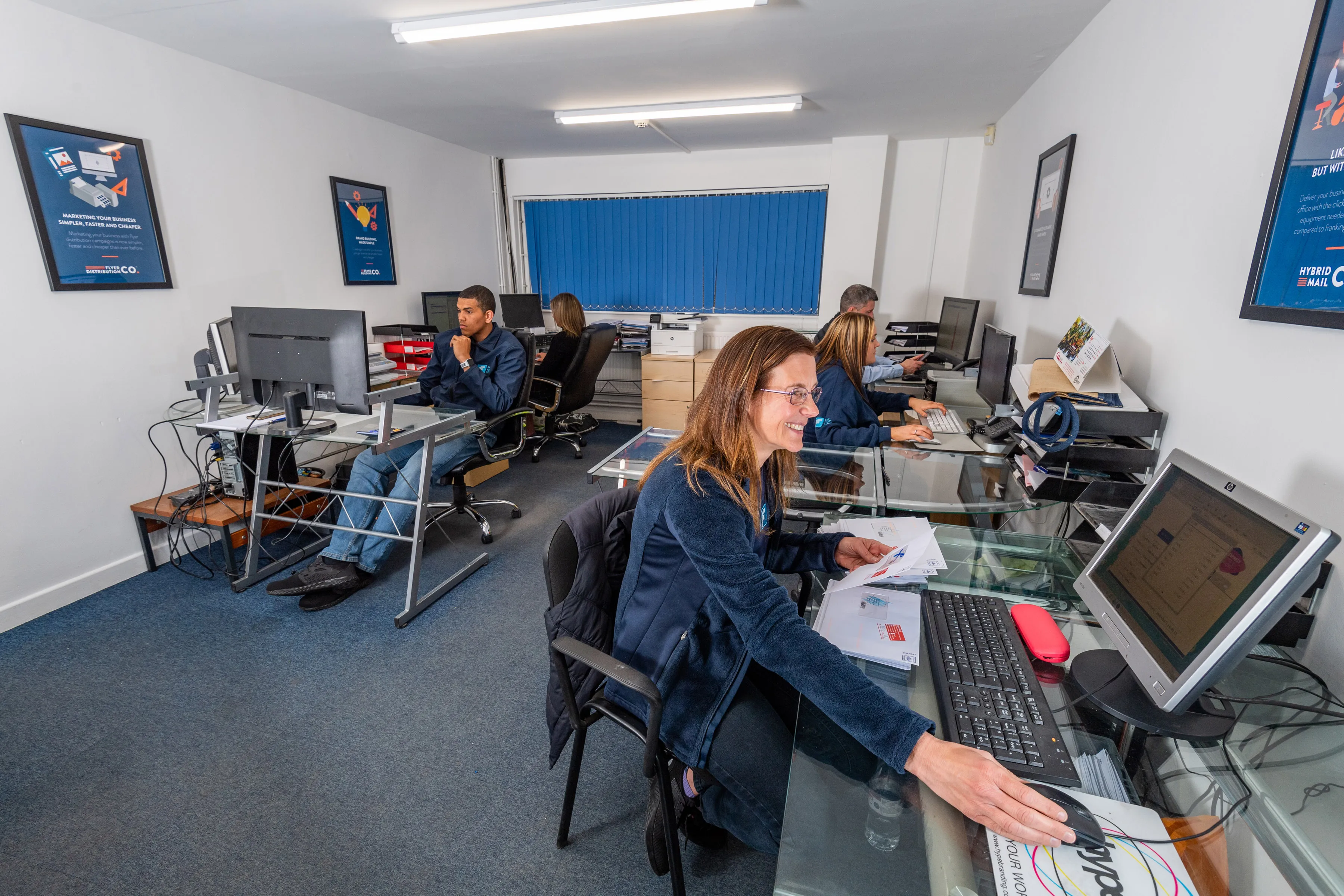
Every member of The Flow Group team undergoes security awareness training and rigorous background checks

Physical Security
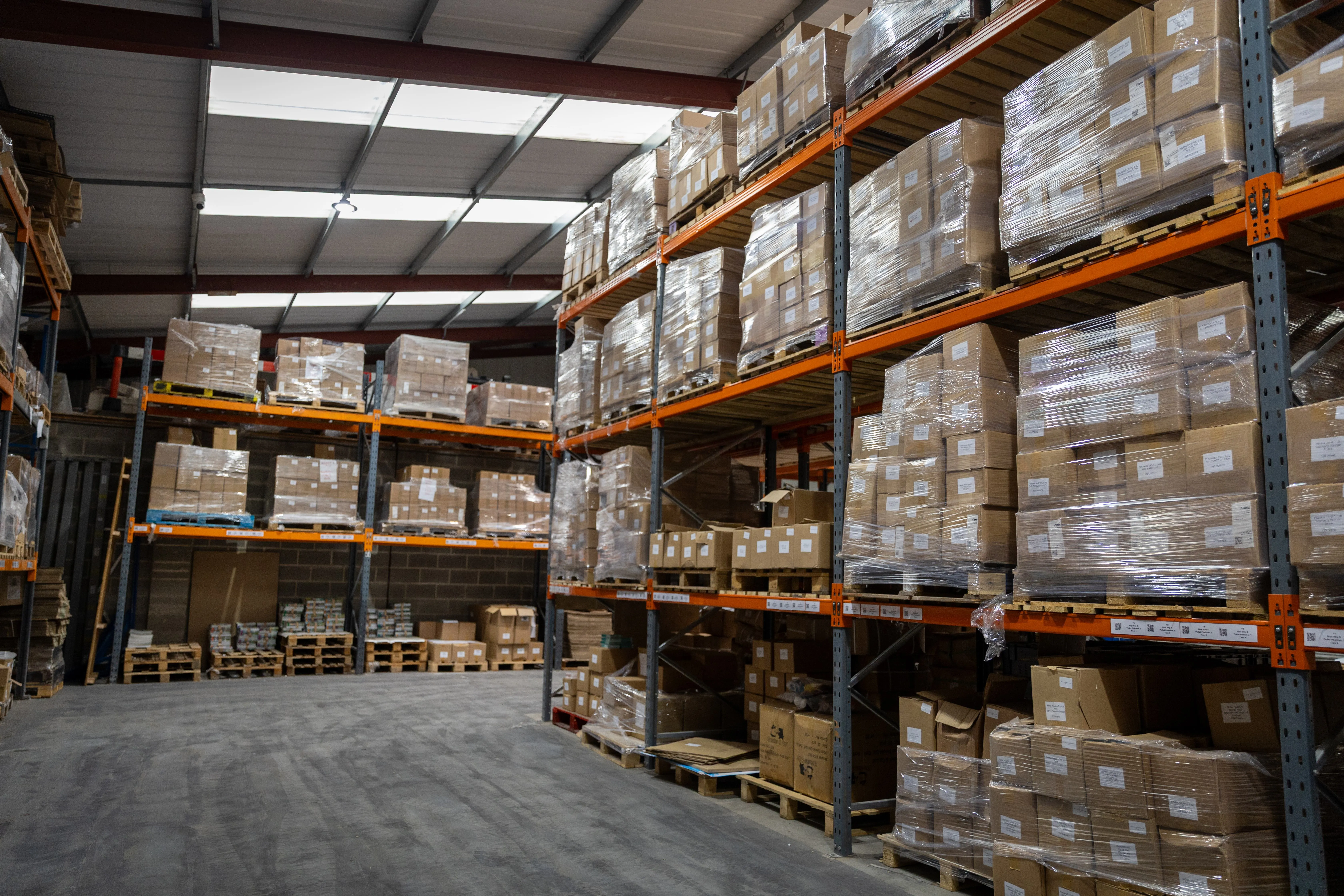
Our facilities are protected by strict access controls, CCTV, and secure zones to ensure your physical assets and data remain out of the wrong hands.

We don't wait for problems; we constantly monitor for emerging cyber-threats and update our defences in real-time.
We believe that high security shouldn't mean slow service. By integrating ISO 27001 into our daily "flow," we provide a service that is as fast as it is secure. You can focus on your strategy, knowing thatyour data is exactly where it should be - safe.

Sectors
© Flow Group. All rights reserved